Planning a successful event means careful coordination across hundreds of moving parts. And while event transportation may feel like a back-end detail, it shouldn’t be treated as one. It’s typically the first and last impression for your attendees, and needs to be considered as a core element of the overall event experience, not just a checklist item.
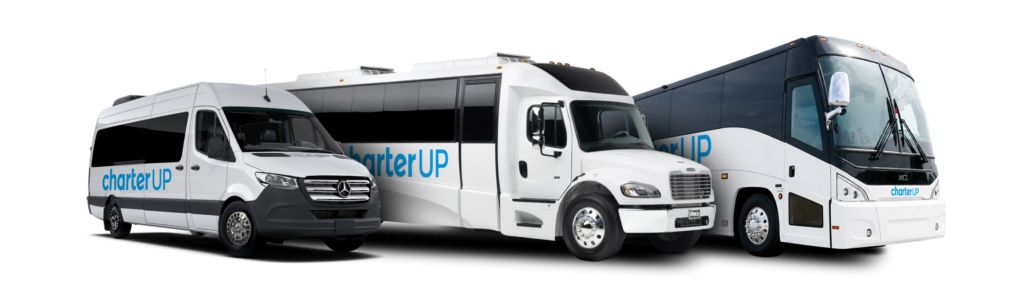
From event shuttles and group transfers to large-scale charter bus coordination, transportation plays a critical role in how your event is experienced.
When it’s done right, no one notices. When it goes wrong, everyone does.
From festivals and conferences to corporate off-sites and multi-day programs, expectations for seamless event transportation services have never been higher. Here are six common mistakes event professionals still make, and how to avoid them.
Or call 855-920-2375
Booking charter buses for an event is only the first step. Execution is what actually matters.
Imagine planning transportation for a large conference or festival expecting 50 buses onsite, only for 30 to arrive. Even small breakdowns in coordination can leave attendees stranded, create major delays, and quickly impact the perception of your event.
In today’s fragmented transportation landscape, relying on verbal confirmations or outdated processes can create fulfillment gaps, especially for high-volume events, multi-city programs, or complex event shuttle operations.
What to do instead: Build visibility and accountability into your event transportation plan from the start. Work with partners who provide clear confirmations, centralized communication, and real-time operational oversight to ensure the fleet you book is the fleet that arrives, with no surprises on event day.
Even the best event shuttle service can fall apart at the curb.
Tight loading zones, unclear staging areas, and unmanaged traffic flow create bottlenecks fast, particularly at urban venues, campuses and convention centers.
When buses arrive on time but passengers can’t find them, or when vehicles stack up because there’s no defined flow, the transportation plan fails regardless of how well it was booked.
What to do instead: Plan event shuttle routes and venue logistics together. Map ingress and egress for every vehicle type, designate staging zones for charter buses and shuttles, and establish clear signage and loading protocols to keep passengers moving efficiently.
Your event transportation plan should be fully integrated with your master event timeline.
Without alignment between drivers, on-site staff and event coordinators, even well-booked charter bus services can break down. Communication is key, and without proper coordination, plans break down.
What to do instead: Integrate transportation into your master event timeline, not as a separate document but as part of the same run-of-show every stakeholder is working from.
Give drivers detailed route instructions and schedule windows, brief on-site staff on staging and passenger flow, and establish a real-time communication protocol so issues get resolved before they compound.
Permits, parking limitations, and traffic restrictions can significantly impact your event transportation services. Operating charter buses in dense urban areas without proper clearances can result in fines, forced re-routes, or vehicles that can’t navigate to where they need to go.
Compliance isn’t just about paperwork and community sign off. Neighbors are stakeholders too. If buses are lining residential streets, blocking driveways, or disrupting the rhythm of the community, you may get through the event once, but you won’t get a second chance.
What to do instead: Incorporate local regulations and compliance into your event transportation planning early. Coordinate with municipalities and venues to ensure your event shuttle and charter bus operations are compliant and efficient.
Today’s event attendees expect accountability and visibility.
Without real-time tracking, guests are left guessing at crowded pickup zones. Confusion and missed rides compound into further congestion, leaving attendees frustrated.
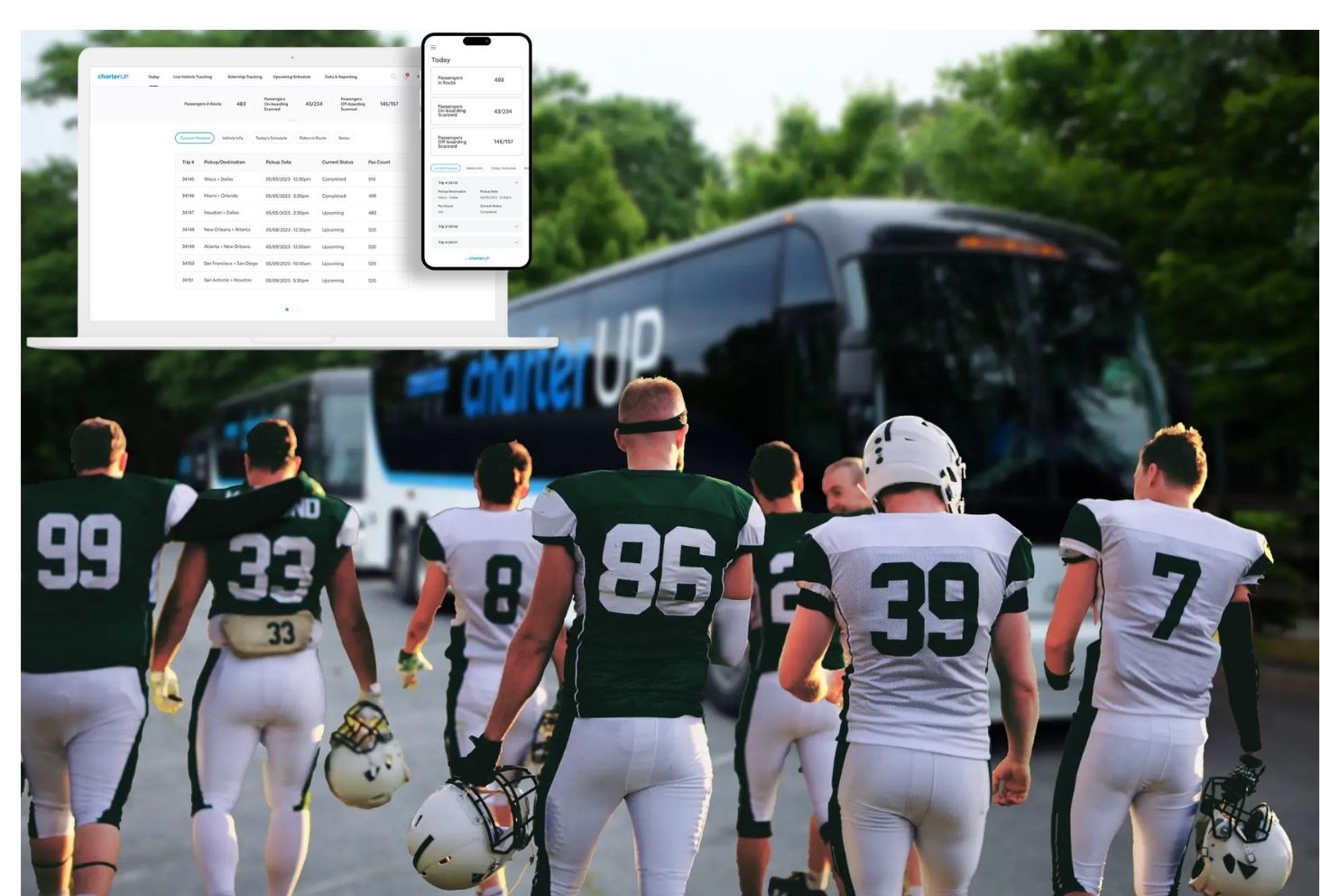
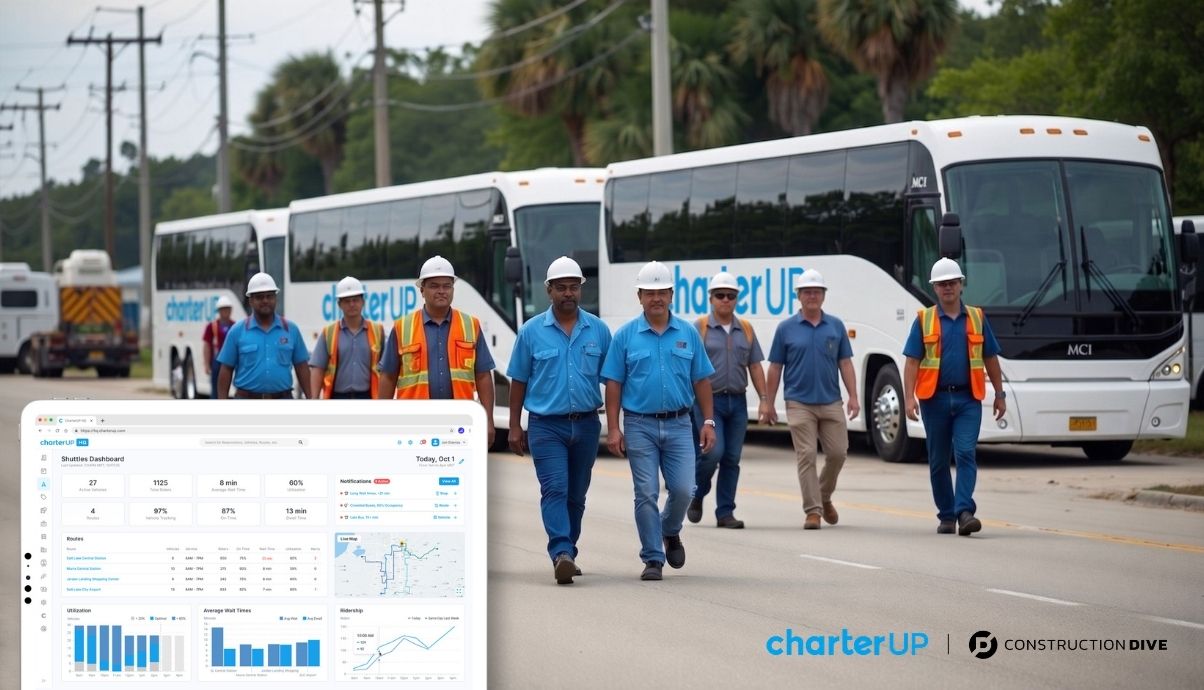
For event managers, live-tracking also ensures compliance and ensures that the operators are actually using the number of buses that were paid for. Tracking confirms all the buses are there and where they need to be.
What to do instead: Work with event transportation partners who use technology and have insights into real-time tracking and live updates. This improves the attendee experience, and gives planners better control over charter bus logistics as conditions evolve.
The departure experience is a critical part of your overall event transportation strategy.
Without a structured exit plan, attendees may face long waits, confusion, or expensive last-minute alternatives instead of reliable event shuttle transportation.
What to do instead: Design a clear outbound plan with staged departures, designated pickup zones, and sufficient charter bus capacity. Well-organized event shuttles ensure attendees leave safely, efficiently, and with a positive final impression.
Why Event Transportation Matters More Than Ever
Whether you’re coordinating event shuttles for a conference, managing charter buses for a music festival, or planning transportation for a corporate gathering, execution matters at every step.
Transportation needs to be treated as a mission-critical element of attendee experience.
With CharterUP, event professionals can streamline event transportation planning through a centralized platform, access a nationwide network of vetted charter bus providers, and rely on a dedicated team to manage every detail from initial booking to final drop-off.
Plan Smarter Event Transportation
Avoiding these common mistakes starts with choosing the right approach and the right partner.
Ready to simplify transportation for your next event?
Explore our event transportation solutions below to learn how CharterUP supports conferences, trade shows, festivals, and large-scale events nationwide.
Or call 855-920-2375